Sweet Auburn
Midtown might be the heart of Atlanta, but Sweet Auburn is most definitely the soul of this city.
Midtown might be the heart of Atlanta, but Sweet Auburn is most definitely the soul of this city.
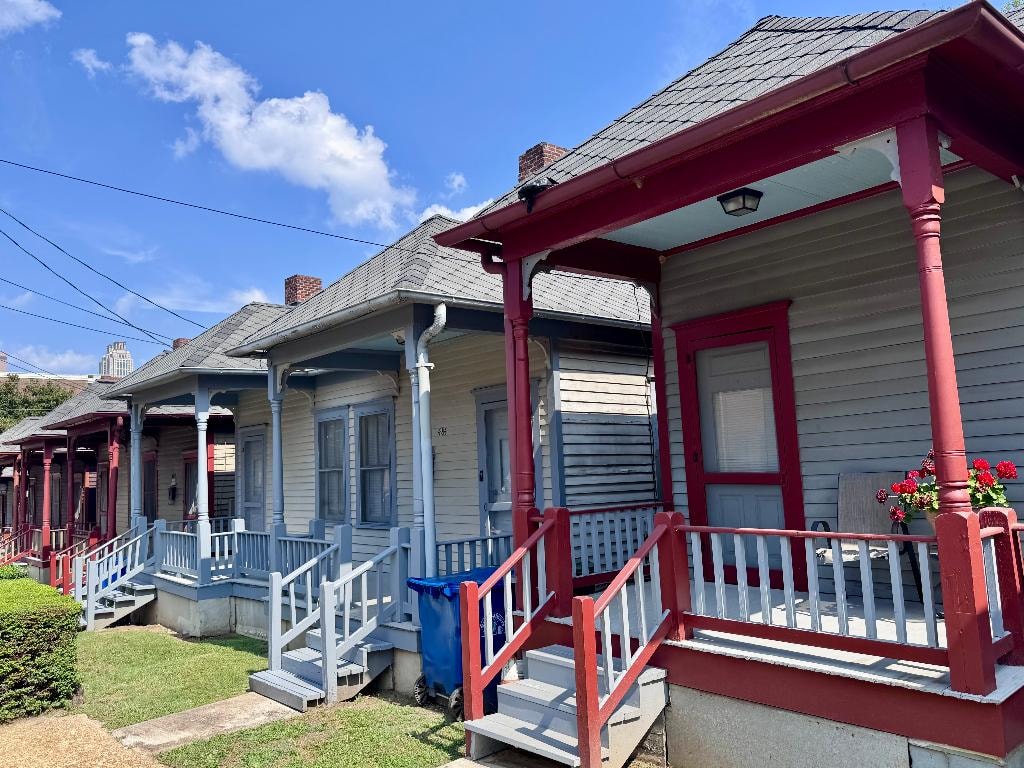
After General William Tecumseh Sherman marched through, captured, and burned much of Atlanta to the ground, Union troops occupied land just outside downtown, and that occupied area came to be known as Shermantown.
Shermantown's location next to the Georgia Railroad, and the road simply known as Boulevard, sparked quick development. By the early 1900s, it was an officially segregated "Negro" neighborhood — and a thriving one at that. African-American civic leader, author, and unofficial "Mayor of Auburn Avenue" John Wesley Dobbs started calling it Sweet Auburn instead, borrowing the name from the opening line of Oliver Goldsmith's 1770 poem "The Deserted Village": "Sweet Auburn, loveliest village of the plain." Fortune Magazine later called Auburn Avenue the "richest Negro street in America."
Despite the harsh realities of Jim Crow, Sweet Auburn prospered through the first half of the twentieth century, with Black-owned churches, businesses, and civic organizations lining Auburn Avenue. During the week, entrepreneurs caught up on news in the Atlanta Daily World, the local African-American newspaper. On Saturday nights, jazz greats like Duke Ellington and Cab Calloway played the neighborhood's nightclubs. And come Sunday morning, churches like Big Bethel AME and Wheat Street Baptist nurtured the community's spirit.
Those churches were more than places to worship and socialize — they became home to the ideas and conversations that gave rise to the Civil Rights Movement. Ebenezer Baptist Church, on the corner of Auburn Avenue and Jackson Street, was led by Pastor Martin Luther King Sr., who became a community leader and activist in his own right. His son, Dr. Martin Luther King Jr., would go on to become the most prominent leader of the Civil Rights Movement.
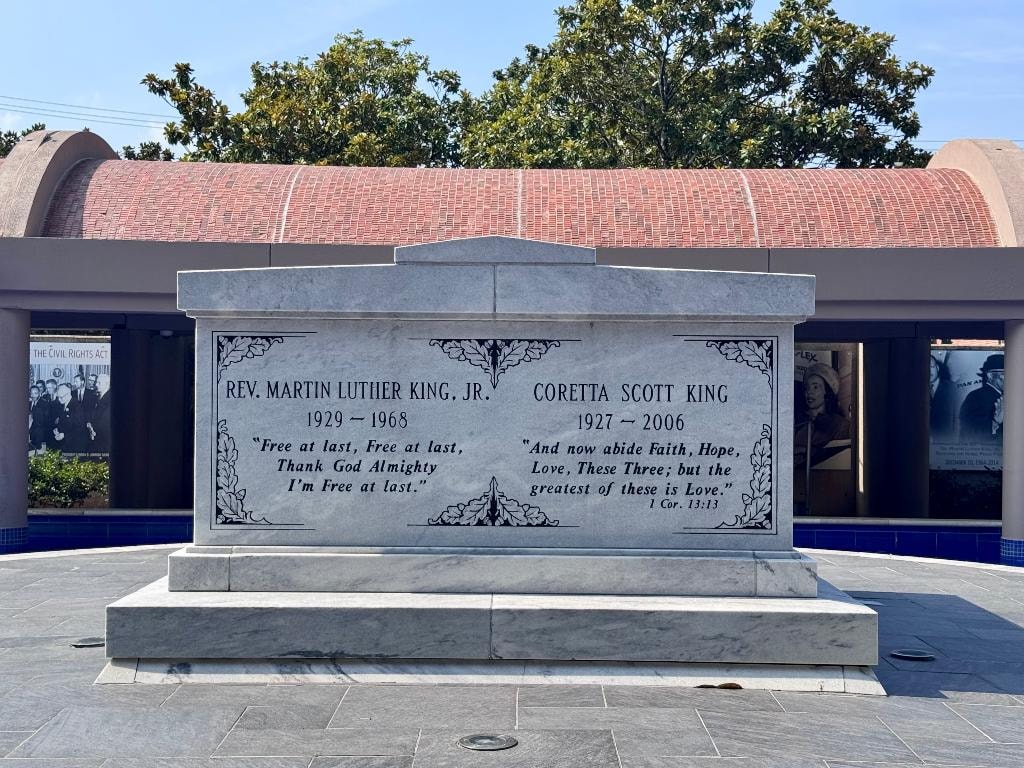
In 1976, the whole neighborhood was designated a National Historic Landmark. The following year, a memorial tomb was placed on a reflecting pool in a plaza just east of Ebenezer Baptist Church, and Dr. King's remains were moved there from South-View Cemetery. In 1981, the Martin Luther King Jr. Center for Nonviolent Social Change opened on Auburn Avenue, where his widow, Coretta Scott King, worked to carry his message of justice, equality, and peace forward to future generations.
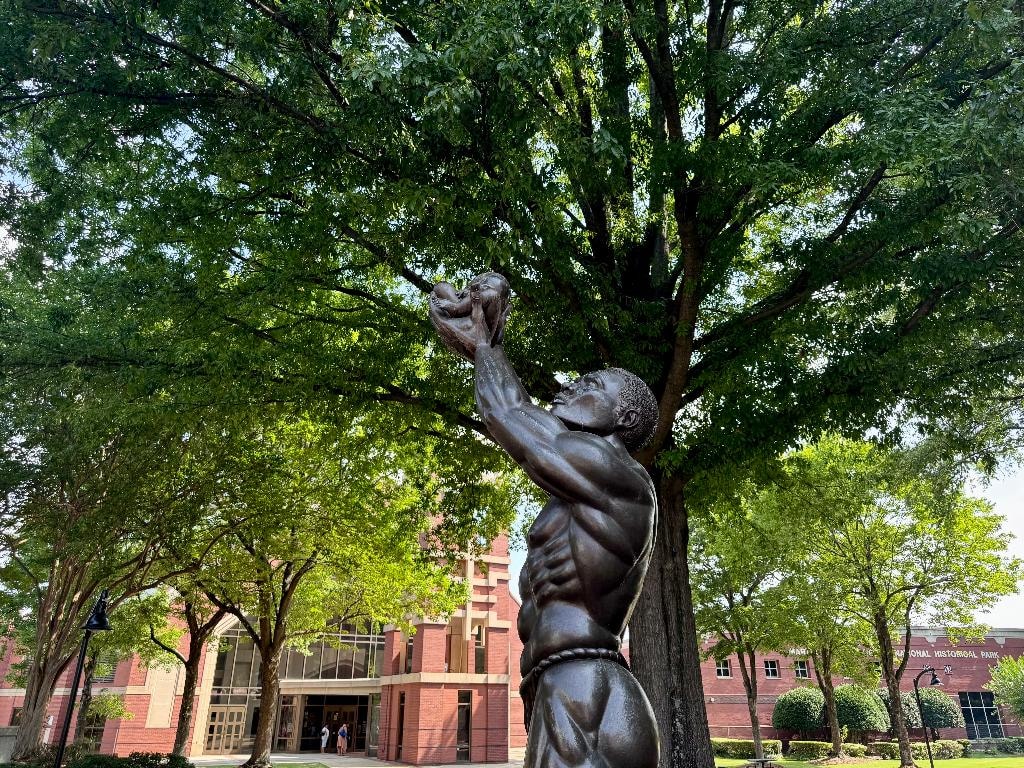
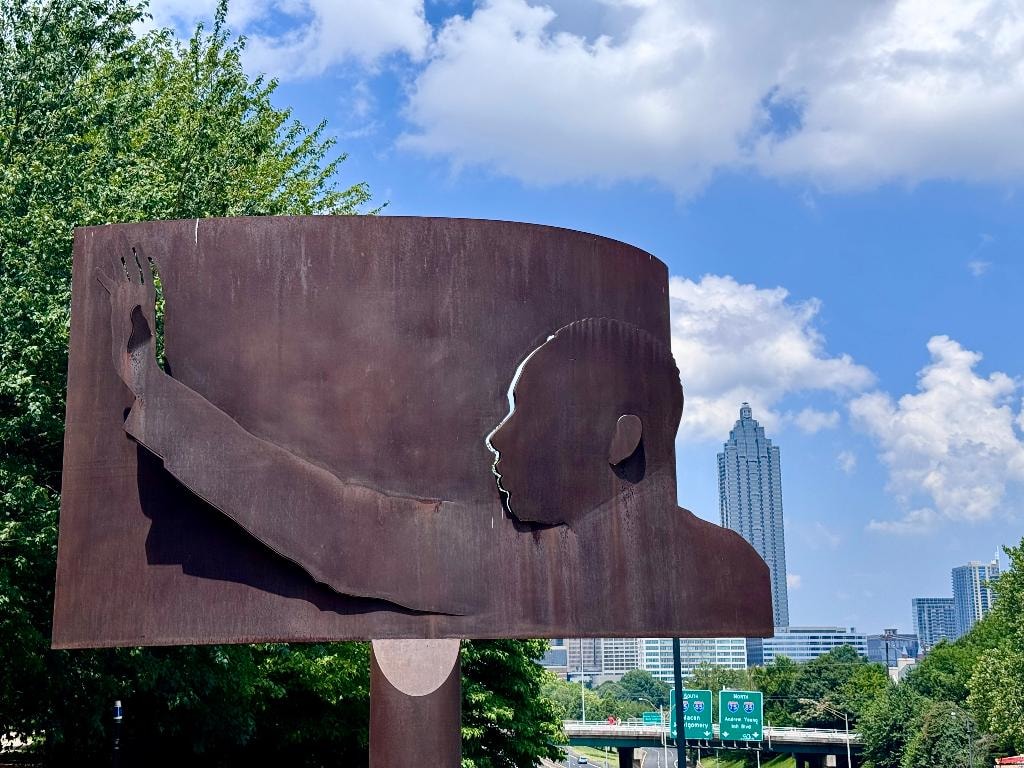
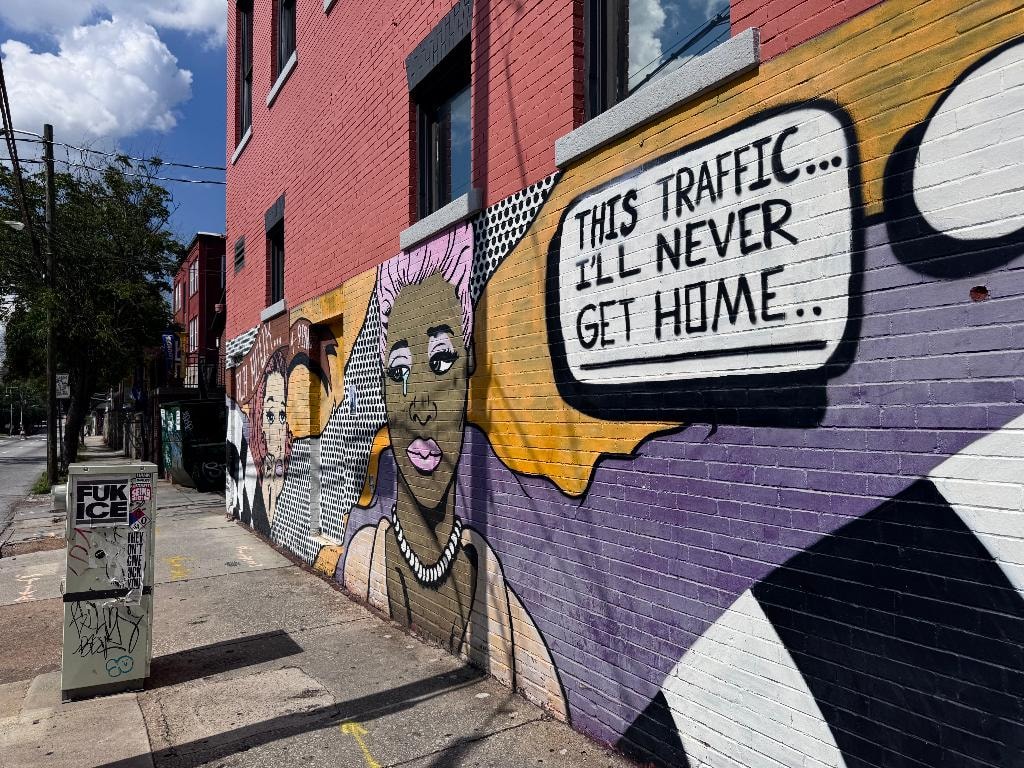
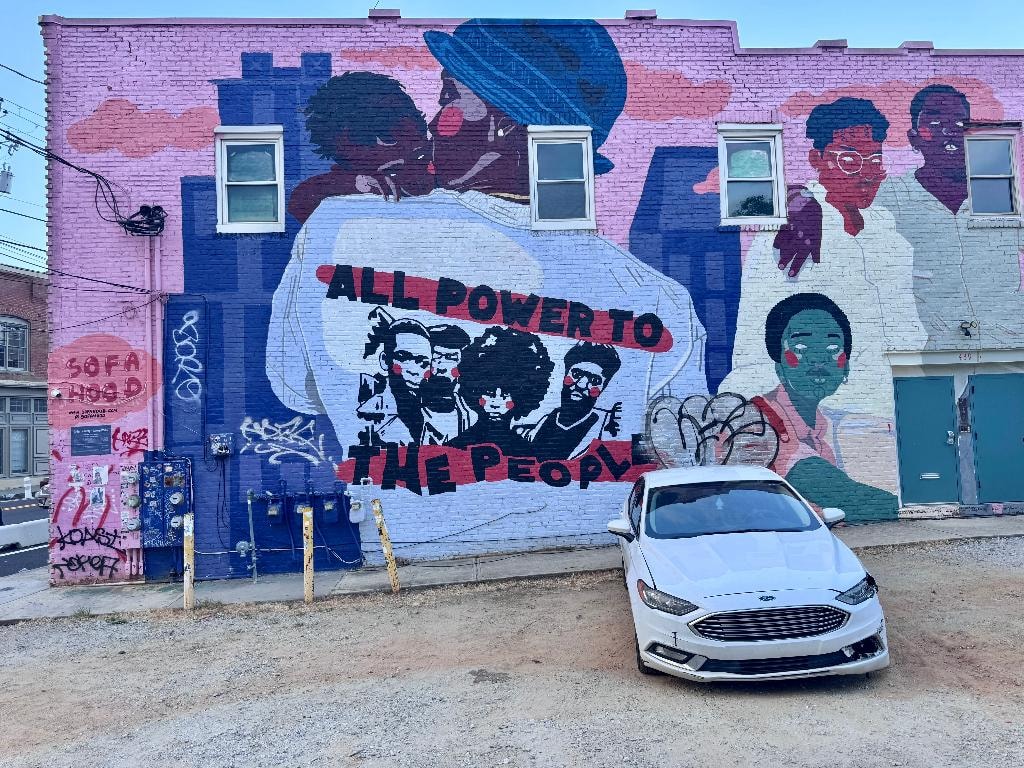
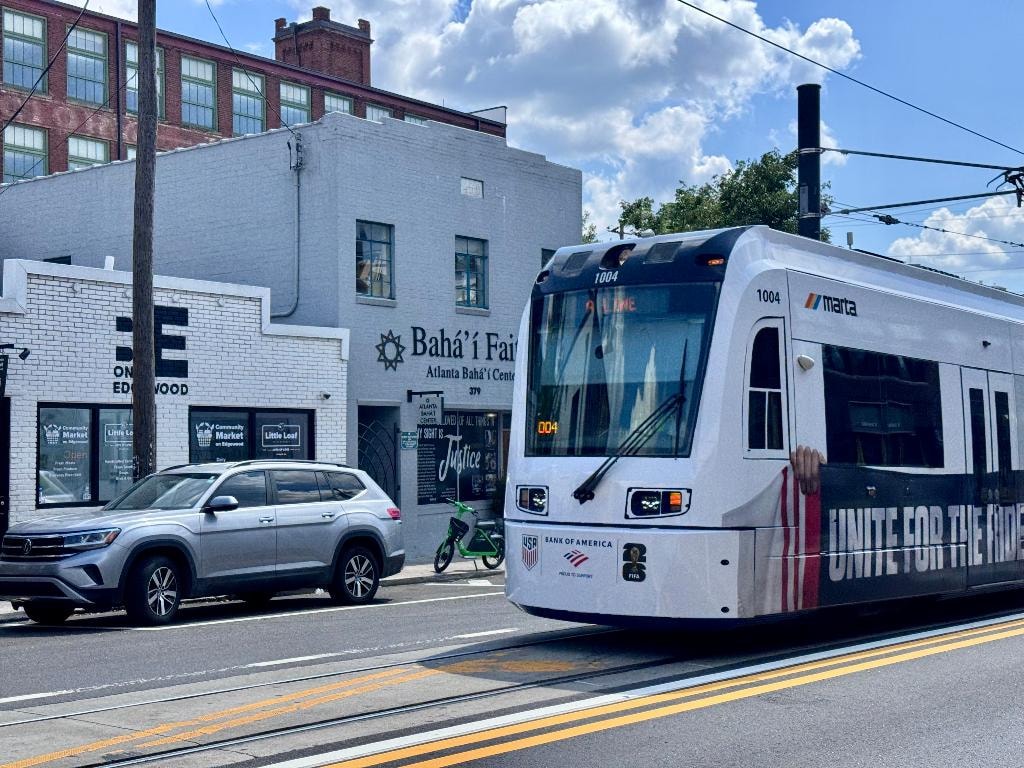
Like a lot of inner-city neighborhoods, Sweet Auburn hit hard times in the 1970s and 80s. Buildings sat abandoned, and street crime and drug dealing became common. The area is still working through some of that legacy today — but there are real signs of new life along Auburn and Edgewood Avenues. New restaurants, art galleries, and some of the city's hippest night clubs have moved in, and the annual Sweet Auburn Festival now draws close to 500,000 people for a day of music, entertainment, and African-American history.
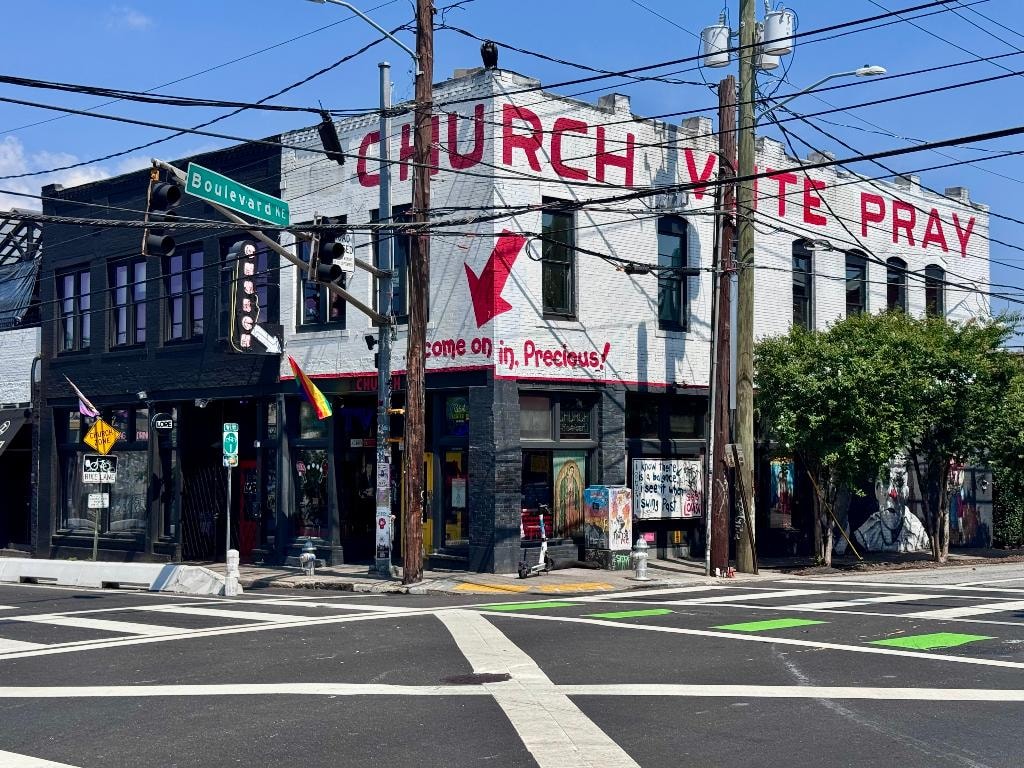
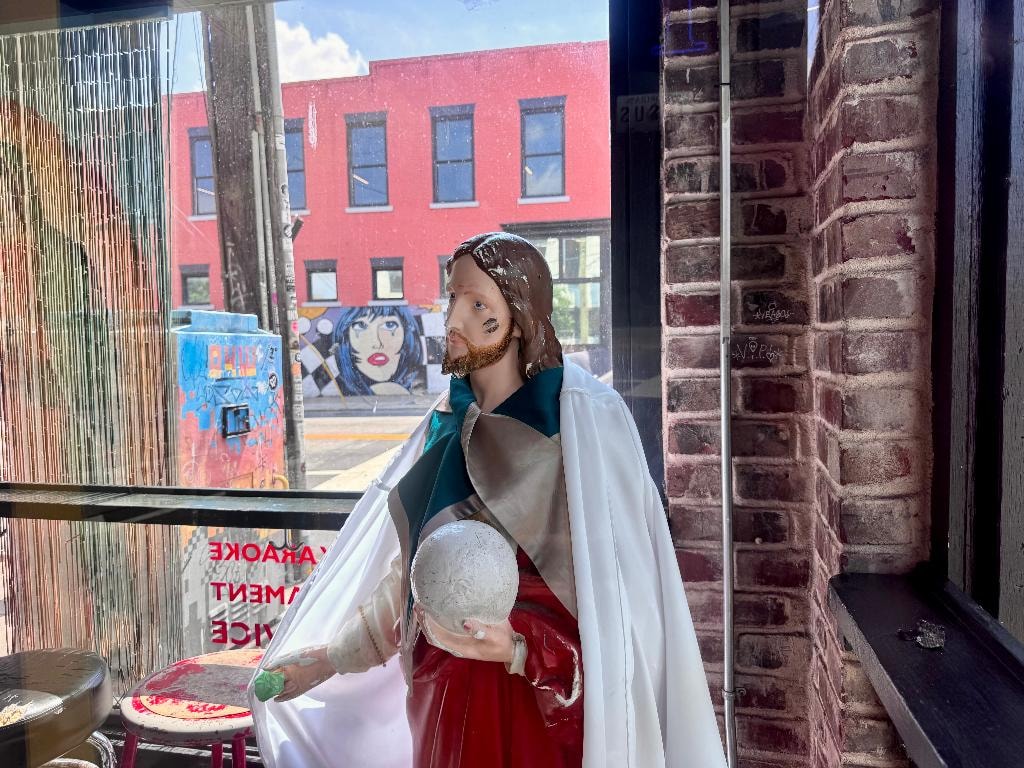
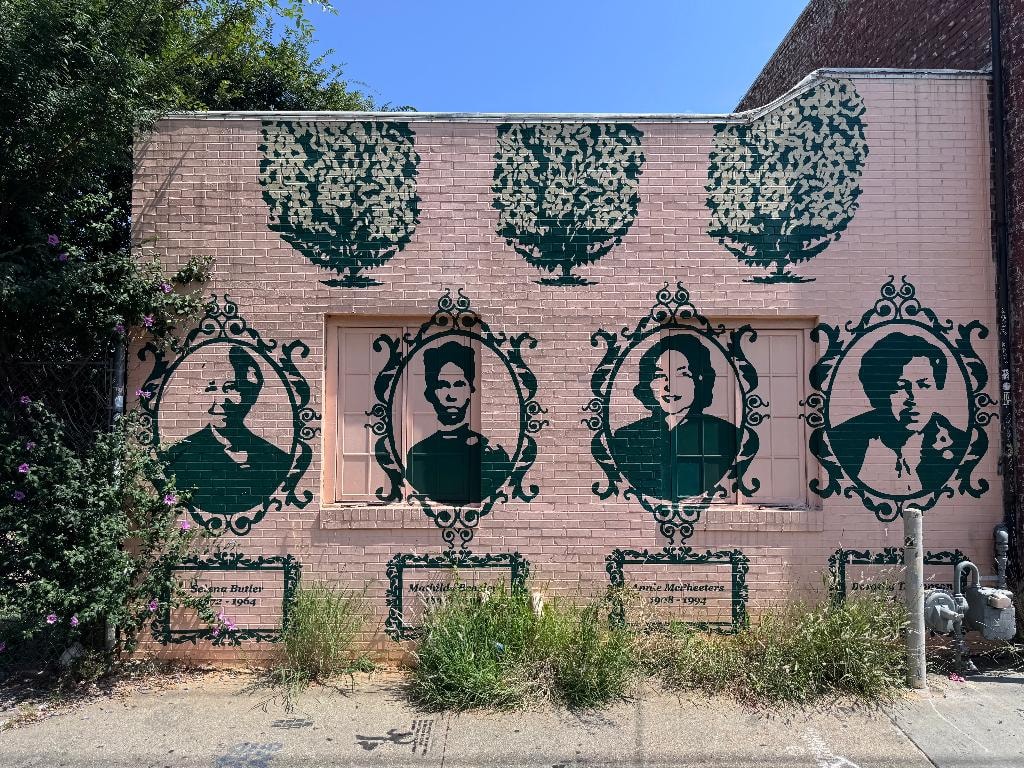
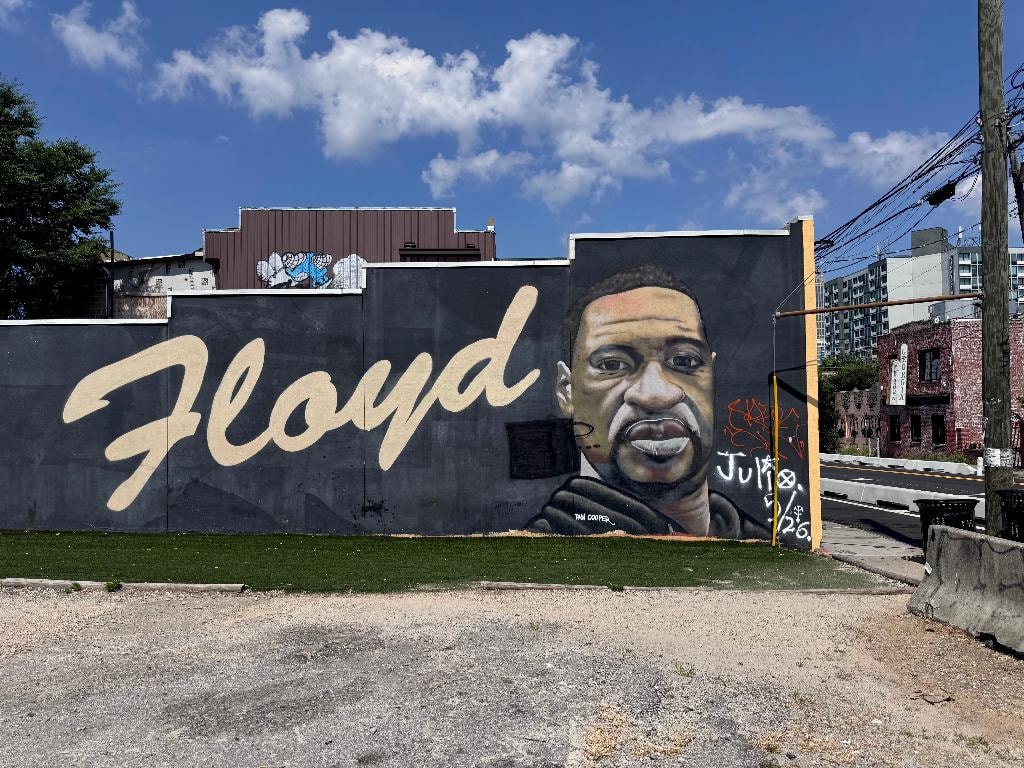
Sweet Auburn grew from a small neighborhood born of violently enforced segregation into a symbol of the human spirit's strength in the face of oppression and injustice. This community of hard-working sons and daughters of former slaves gave the world a dream, a spirit, and a message of hope — one that still speaks its truth today.
Explore Topics
Written by
Joe
Content creator and writer sharing insights and stories.