Chamblee
The 1996 Summer Olympics transformed Atlanta from a major city in the South into a truly international and multicultural metropolis — and the inside-the-perimeter municipality of Chamblee is at the very heart of that transformation.
Recent American history gives us several vivid examples of how a cataclysmic, or monumental, event can fundamentally change the reality and character of a city. In Miami, in 1992, Hurricane Andrew changed the city forever, and at least for the rest of our lifetimes, New Orleans will mostly be referred to in terms of "pre-Katrina" and "post-Katrina." The 1996 Summer Olympics transformed Atlanta from a major city in the South, to a truly international and multicultural metropolis, and the inside-the-perimeter-but-independent municipality of Chamblee is at the very heart of the transformation.
Atlanta was built on the legacy of the Civil War and the Civil Rights Movement, and before 1996, Atlanta was a city seen almost completely in black and white. In the 1970s and 1980s, there were no significant immigrant populations or ethnic enclaves, and Asians and Latinos made up less than 3% of the population as a whole.
Some still think of Atlanta as the capital of the Deep South, a city of old plantation homes, mint juleps, and "Designing Women" accents. I know I did, before I first visited in 2007. The 1996 Summer Olympics changed everything. A huge demand for workers to build Olympic venues and housing for athletes attracted huge numbers of immigrants looking for work and a better life. You can still order sweet tea just about anywhere, and Southern friendliness and hospitality are still the rule, but over the past 30 years, Metro Atlanta has shifted very dramatically into an impressively diverse and cosmopolitan city of the world.
Chamblee, located just north and east of Buckhead, and south and west of Doraville, grew from a collection of dairy pastures and farms, and a military base in the early 1900s, to a small manufacturing town through the middle of the century. Frito-Lay, Kodak, and General Electric anchored the local economy, and the nearby Doraville General Motors plant employed many Chamblee residents. The DeKalb Peachtree Airport, occupying a large swath of town, grew in importance through the years, but in the 1980s, Chamblee was hit hard by manufacturing downsizing and plant closings. Residents moved out, and local retail and restaurants shut their doors.
In the late 1980s, local churches sponsored refugees from Southeast Asia, and a number of Chinese migrants — from both China and California — moved into Chamblee to take advantage of the cheap and available housing and easy accessibility to MARTA. In the early 1990s, day laborers from Mexico and Central America began to arrive, and tensions rose between the nearly all-white American old-timers and the immigrant newcomers. City council meetings were often marked by xenophobic remarks and anti-immigrant outrage. But Chamblee city leaders decided to take advantage of the opportunities that the new residents were creating, and a deliberate effort was made to welcome immigrants to rent empty apartments and set up shop in abandoned strip malls. And in the few years preceding the Olympics, immigrant workers flocked to Chamblee, and neighboring Doraville, and in doing so, transformed Atlanta forever.
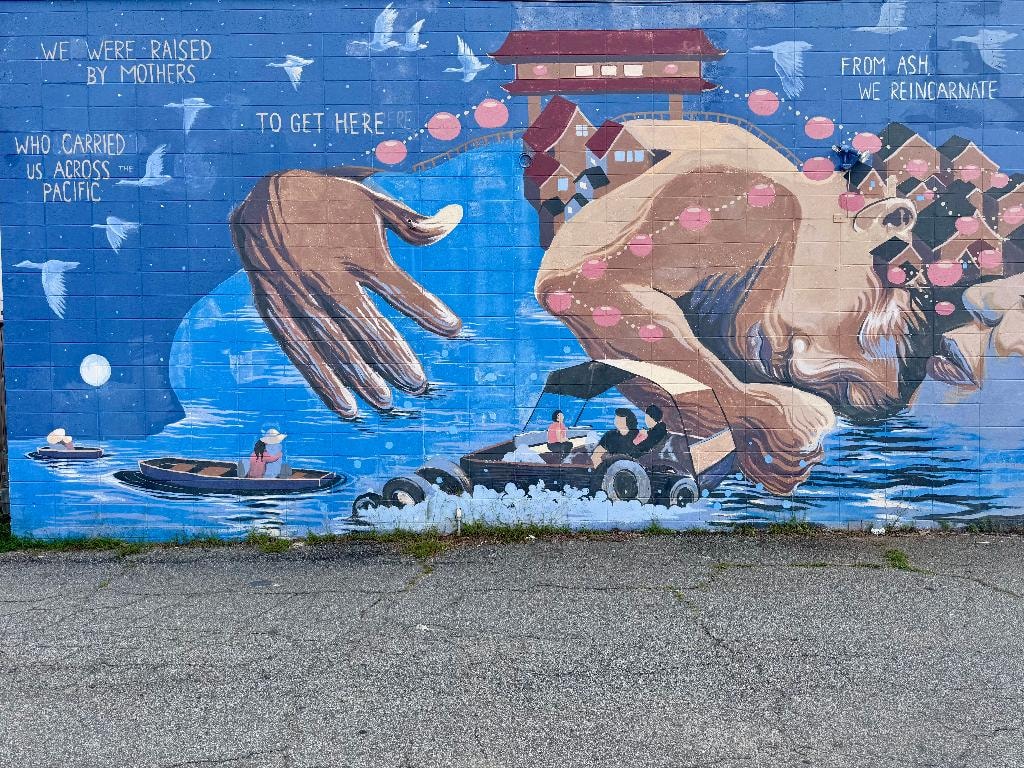
It's worth noting that while Chamblee has transitioned from a quiet Atlanta suburb into a core of ethnic diversity, it has continuously been home to the federal headquarters of the Centers for Disease Control since 1942. Originally founded as the Office of National Defense Malaria Control Activities, the agency set forth with the mission of fighting malaria, which was a common affliction in the American South.
Chamblee is centered around the main thoroughfare, Buford Highway, which is lined with Vietnamese plazas, Chinese strip malls, and Mexican mini-malls. There is a lot of really remarkable overlap of these three dominant groups, and there are several places that announce their bargains in Spanish, Vietnamese, and Chinese languages. Currently, a little more than 50% of the population is ethnically Mexican, with smaller but significant populations of Guatemalans, Salvadorans, and Hondurans, and about 13% of Chamblee's residents are Vietnamese-American. Atlanta has the fastest growing Chinese population of any metro area in the United States — over 40,000 — and with the Taipei Economic and Cultural Center, the Chinese Cultural School of Atlanta, and the Chinatown Mall, Chamblee is the cultural heart of Metro Atlanta's Chinese community.
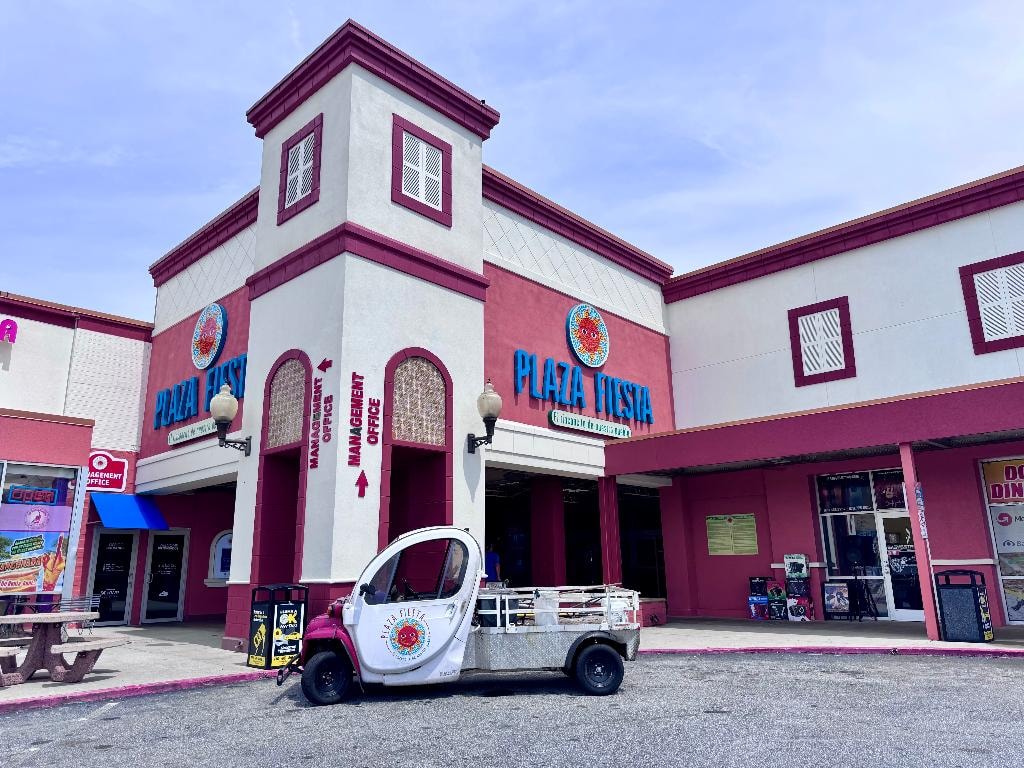
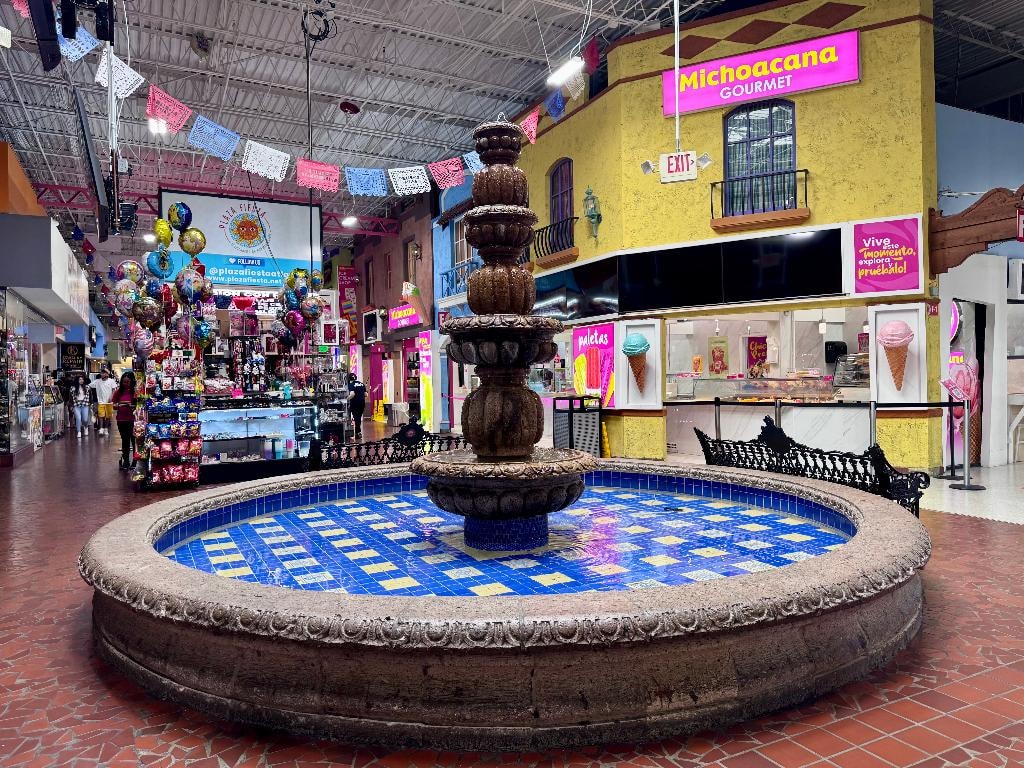
Plaza Fiesta is one of Chamblee's most remarkable landmarks — a converted shopping mall that has been transformed into a bustling Latin American marketplace. Inside, a grand tiled fountain anchors a space that feels more like a Mexican town square than a suburban strip mall, with shops, restaurants, and vendors selling everything from quinceañera dresses to fresh paletas.
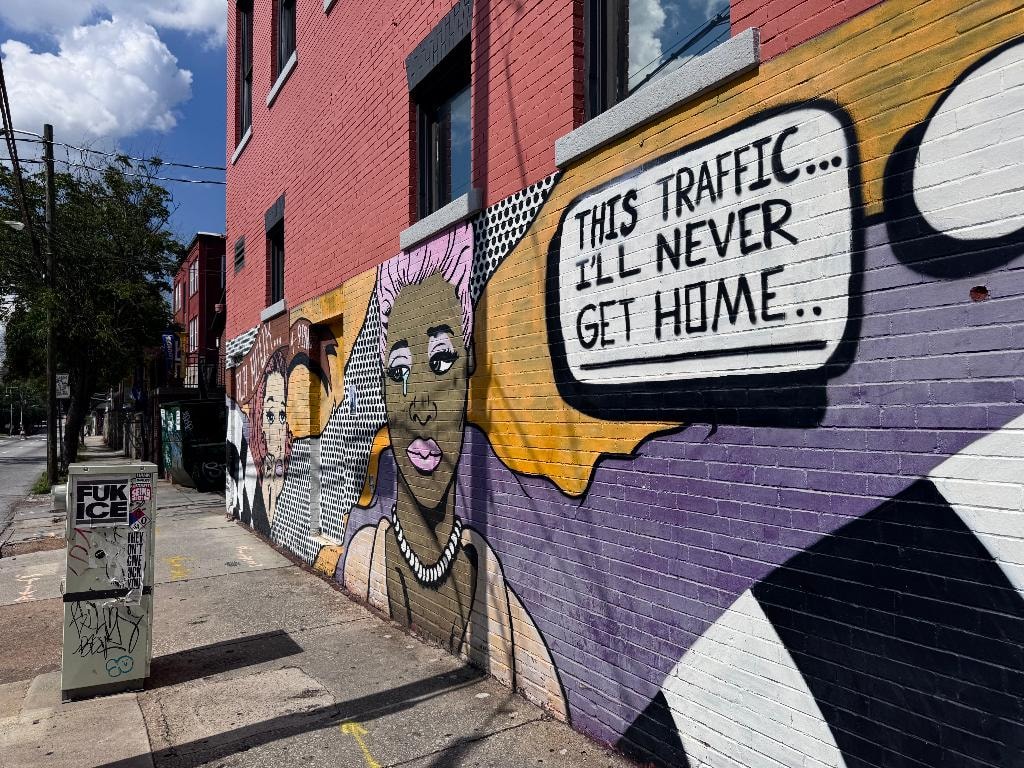
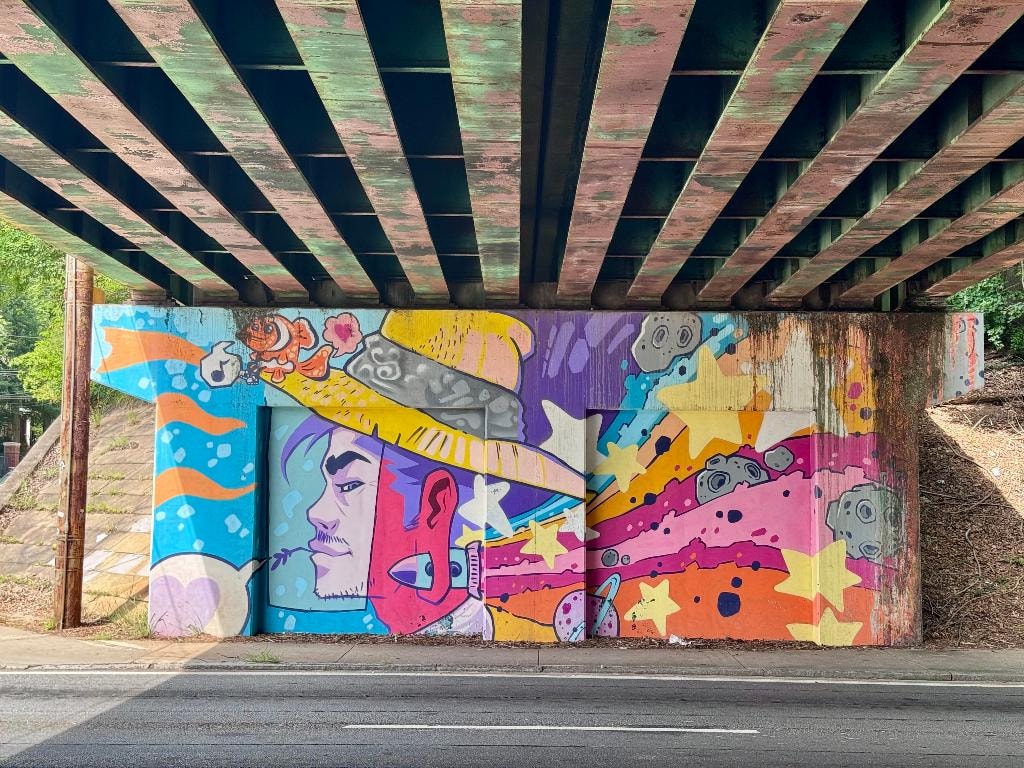
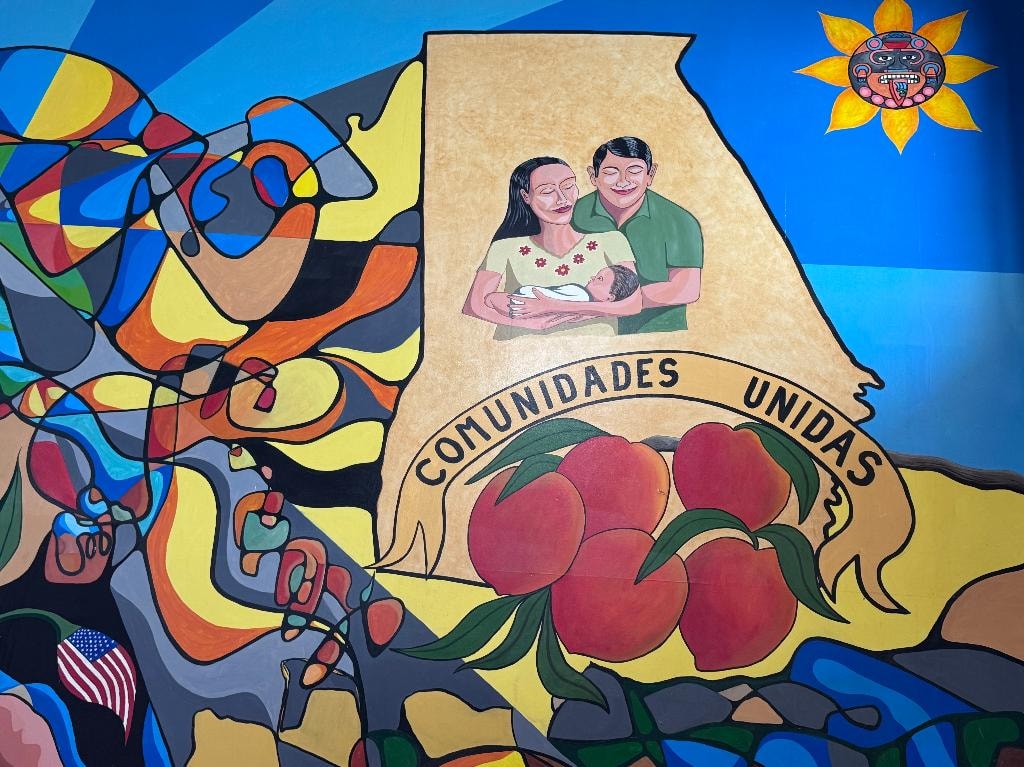
The murals of Chamblee tell the story of its people as vividly as any history book. Throughout the neighborhood, walls have been transformed into canvases celebrating the cultures, struggles, and triumphs of the communities that call this place home.
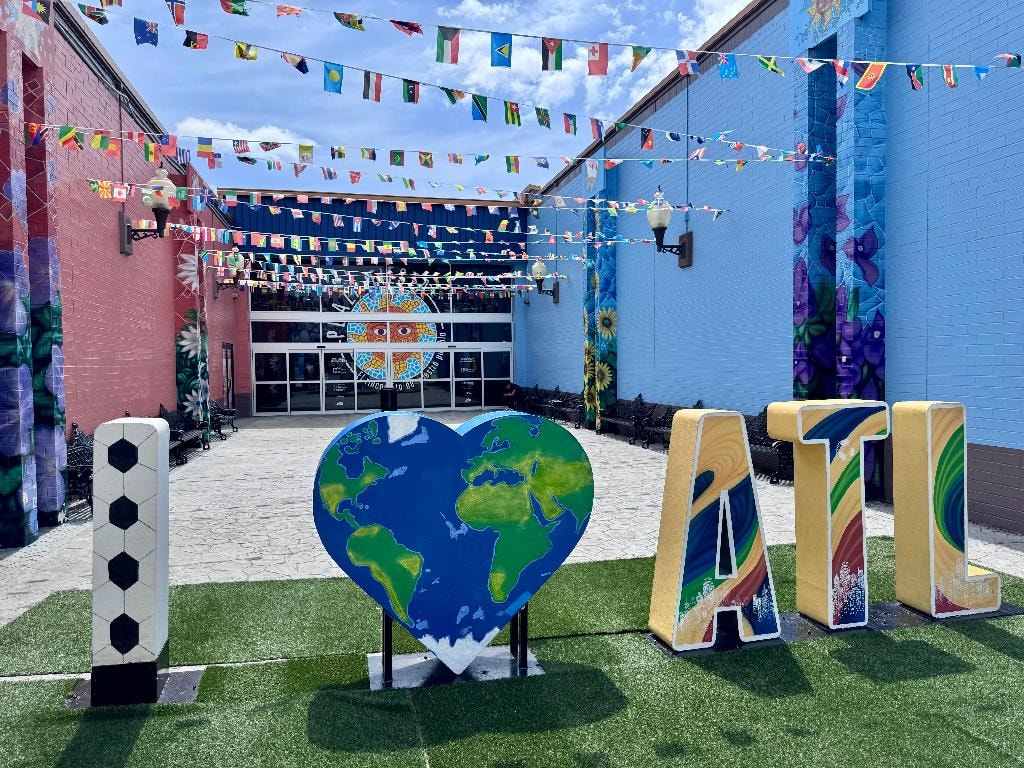
The international spirit of Chamblee is perhaps most visible at Plaza Fiesta's outdoor courtyard, where the flags of dozens of nations fly overhead and colorful sculptures invite visitors to celebrate the city's global identity.
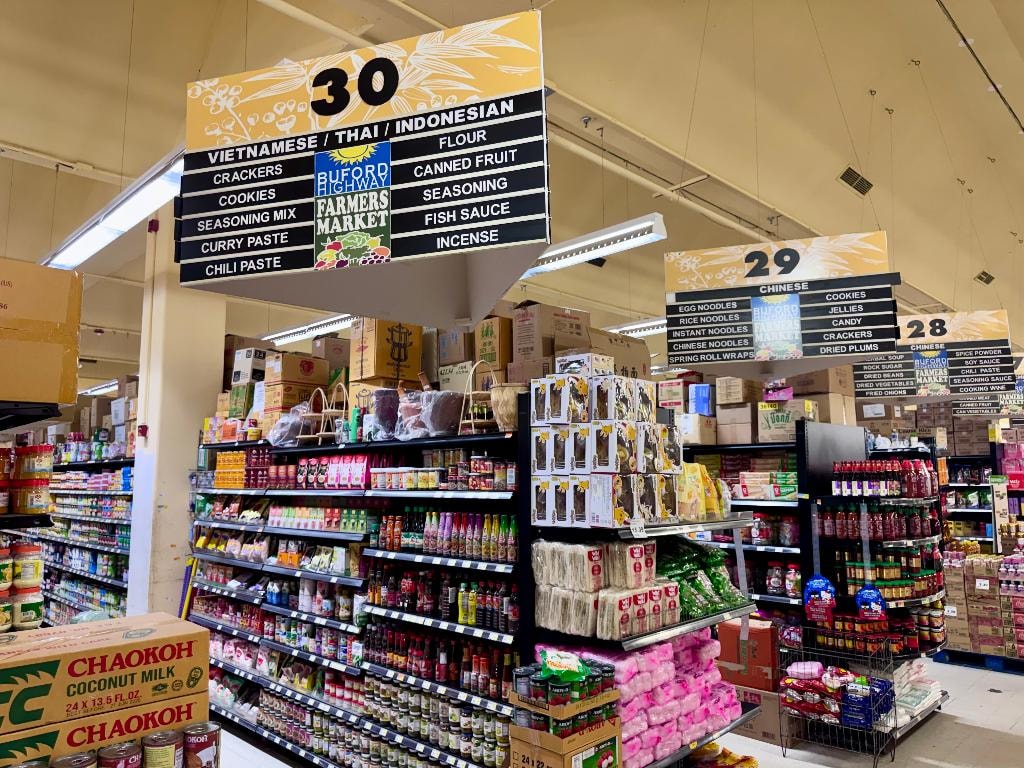
No visit to Chamblee is complete without a stop at the legendary Buford Highway Farmers Market — a sprawling international grocery that stocks ingredients from across Asia, Latin America, and beyond. Aisle signs in Vietnamese, Thai, Indonesian, and Chinese guide shoppers through one of the most extraordinary food shopping experiences in the American South.
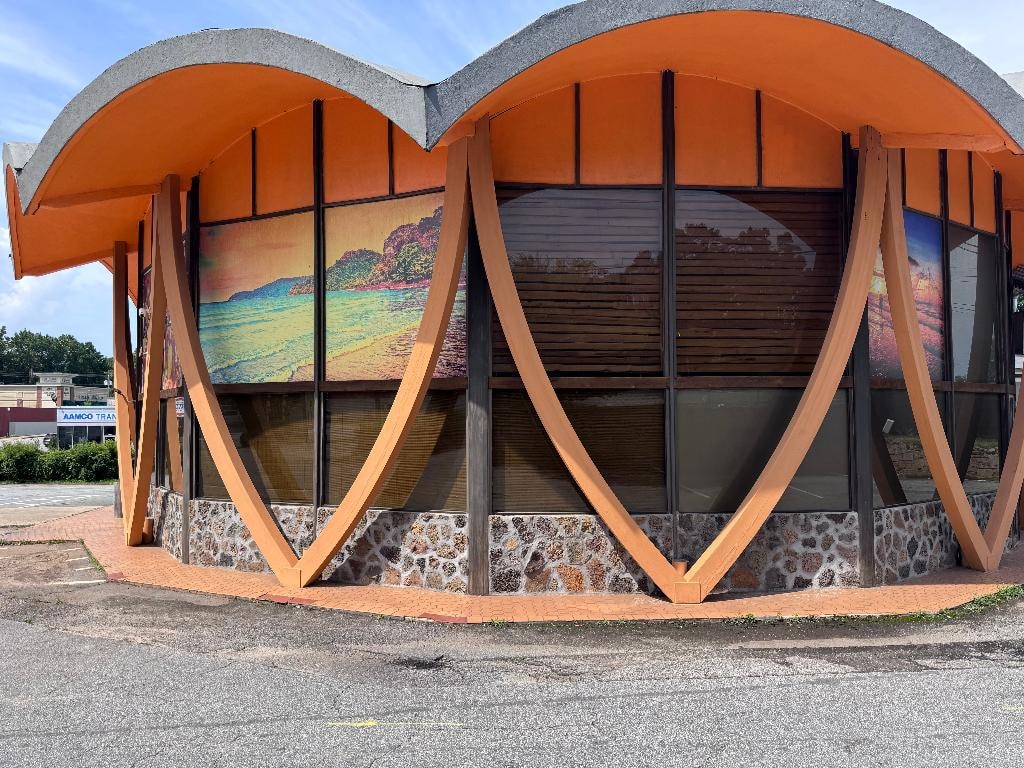
To the west of Buford Highway, and north of the county airport, sits Antique Row — a village main street of vintage buildings and converted old homes now selling rare antiques and collectibles. In more ways than one, it's a quiet reminder of Chamblee's not-too-distant past — a sort of oasis of olden days. And this striking orange building, a remnant of mid-century roadside architecture, stands as a vivid symbol of the neighborhood's layered history: old bones, new life.
Welcome to the New South.
Explore Topics
Written by
Joe
Content creator and writer sharing insights and stories.